

If your Tower Garden is growing slowly, stretching toward a window or producing very little, light is one of the first things to check. A spot that looks bright to us can still leave vegetables struggling.
Whether you're choosing an outdoor location or setting up grow lights indoors, the goal is the same: enough usable light reaching the plants throughout the garden.
Jump to a Section
Looking for something specific? Jump directly to the section you need.
How Much Light Does a Tower Garden Need?
Start with these practical targets, then consider the crops you're growing and how evenly the light reaches their leaves.
- Outdoor leafy greens and herbs: aim for at least 5 hours of direct sunlight each day.
- Outdoor fruiting crops: tomatoes, peppers, cucumbers and squash generally perform better with 8 hours or more of direct sunlight.
- Indoor Tower Garden grow lights: run for approximately 14–16 hours each day, followed by 8–10 hours of darkness.
Count the hours when sunlight actually reaches the plants. A bright patio shaded by a roof isn't equivalent to an open, sunny growing location.
Indoor Tower Garden Lighting
A sunny-looking room doesn't necessarily provide enough light around the whole tower. For a dependable indoor setup, plan to use grow lights from the beginning.

Keep a consistent lighting schedule
Run Tower Garden grow lights for approximately 14–16 hours a day, with 8–10 hours of darkness afterward. Use a timer so you don't have to remember to switch them on and off.
A daytime schedule is often easiest to live with. Give plants a regular dark period rather than leaving the lights running around the clock.
Check light distance and coverage
With Tower Garden lights, aim to keep foliage approximately 6–8 inches from the lights where practical. Follow the manufacturer's distance guidance if you use other fixtures.
- Position the lights evenly around the tower.
- Check spacing as plants grow.
- Keep foliage from growing directly into the fixtures.
- Watch for large leaves shading smaller plants.
- Choose crops that stay within the useful reach of your lights.
For help choosing a location, crops and an everyday care routine, visit our Indoor Tower Garden Growing Guide.
You can also read Growing Indoors with Tower Garden LED Grow Lights, follow our LED light setup instructions, or browse Tower Garden LED Grow Lights.
Outdoor Tower Garden Sunlight
Before filling your tower, watch your proposed location at different times of day. Buildings, fences and trees can block more sunlight than you expect.

Aim for at least 5 hours of direct sun for leafy greens and 8 hours or more for fruiting crops. Recheck the location as the seasons change: a sunny summer spot may receive much less sun in winter.
- Check morning, midday and afternoon shade.
- Allow room for mature plants and their supports.
- Leave enough space between towers to reduce mutual shading.
- Check whether larger plants are blocking light from neighboring crops.
Read our Outdoor Tower Garden Sunlight Requirements article for more help choosing your growing spot.
Growing on a Lanai or Screened Porch
A screened porch can be convenient, but screens, roofs and surrounding structures reduce the light reaching your plants. The space may feel bright without providing enough usable sunlight.
Watch the tower's actual location throughout the day. If plants stretch, grow slowly or produce poorly, review the light available before changing your nutrients.
Depending on the location and crops, supplemental grow lights may be needed.
Read Do You Need Grow Lights for a Tower Garden on a Lanai or Screened Porch? before committing to that setup.
Should You Use Shade Cloth?
Shade cloth reduces the light reaching your plants, so it shouldn't be an automatic addition just because you're growing somewhere warm. We generally grow without it in our Florida Keys setup.
During extreme heat, temporary shade may help sensitive crops, but consider the crop, growing conditions and signs of heat stress. A tower that already receives limited sunlight may struggle if you reduce that light further.
Signs of Too Little Light—and Common Mistakes
Insufficient light can affect growth and harvests. These examples show symptoms to watch for, although some also have other causes.
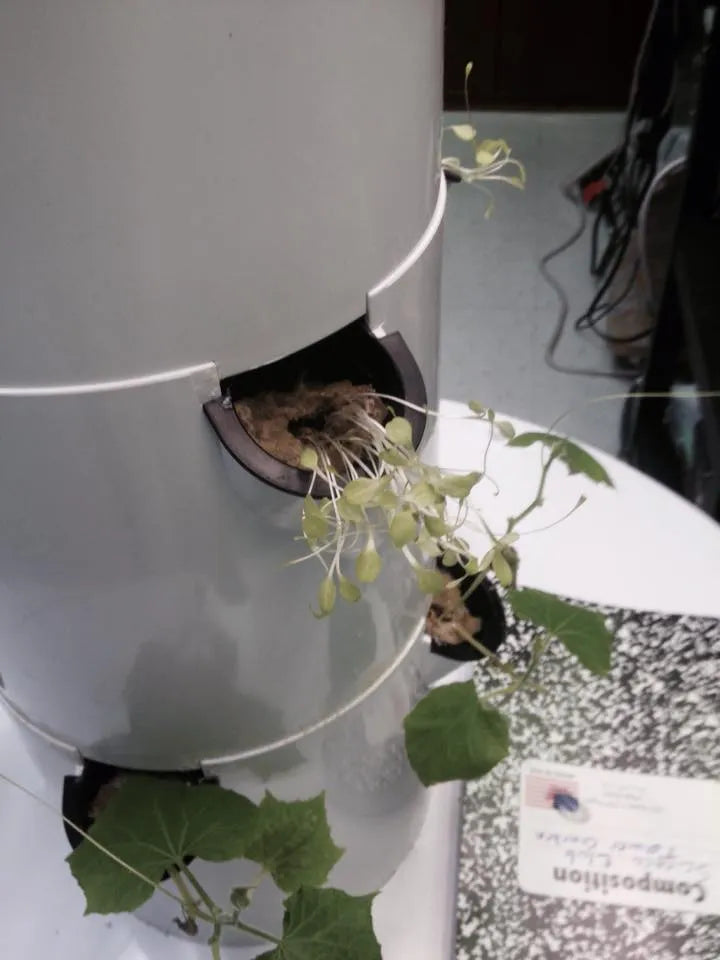
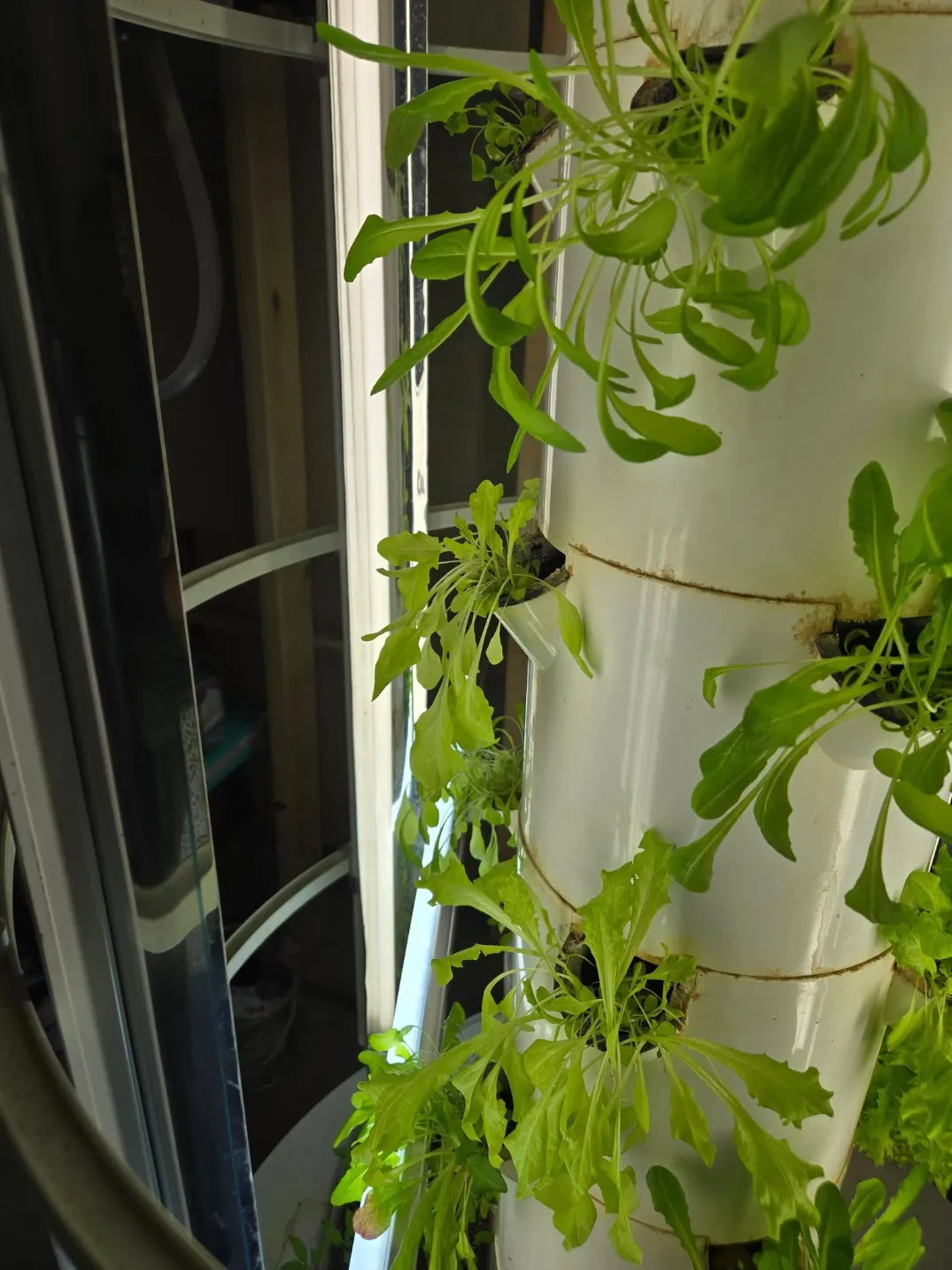
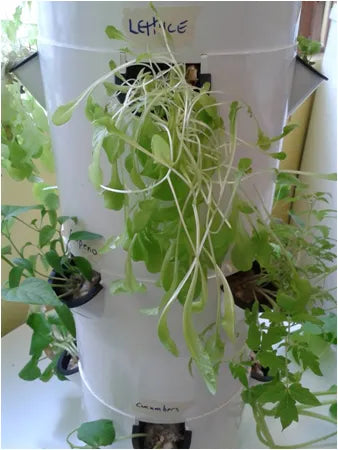
Large plants blocking smaller ones
Plan your tower like a pyramid, with larger crops toward the bottom and smaller crops toward the top. Allow space for mature foliage and prune appropriately so neighboring plants can still receive light.
Grow lights too far away
Check the distance to the leaves, not just the tower itself. Plants growing beyond the lights may receive much less light than those closer to the fixtures.
Lights running around the clock
Use a timer to provide a consistent light period and a regular dark period. Leaving lights on continuously isn't the routine we recommend for Tower Garden growing.
Towers placed too close together
Mature plants can shade neighboring towers. Leave enough space between systems and recheck sunlight as the garden fills out, particularly when the sun is lower in the sky.
For more help indoors, read our Indoor Tower Garden Troubleshooting Guide.
Moving Your Tower Garden Indoors for Winter
Get your indoor location, lights and timer ready before moving day. Your outdoor plants will need suitable light as soon as they're inside.
It's also a good time to decide which plants fit your indoor space. A sprawling summer tomato may be less practical than a fresh mix of greens, herbs and compact varieties.
Follow our guide to bringing your Tower Garden indoors for winter for pest checks, preparing the system and deciding which plants to keep.
Tower Garden Lighting FAQs
How many hours of sunlight does a Tower Garden need?
Aim for at least 5 hours of direct sunlight for leafy greens and herbs. Fruiting crops generally perform better with 8 hours or more. Check the sunlight reaching the plants rather than how bright the surrounding area looks.
Can I grow a Tower Garden beside a window?
A window may provide uneven or insufficient light around the tower. For a dependable indoor garden, plan to use suitable grow lights.
How long should Tower Garden grow lights stay on?
Run them for approximately 14–16 hours a day, followed by 8–10 hours of darkness. A timer keeps the routine consistent.
How close should grow lights be to my plants?
With Tower Garden lights, aim for approximately 6–8 inches from the foliage where practical. Follow the manufacturer's instructions for other fixtures and check spacing as plants grow.
Can I run grow lights at night?
Your lighting period can include nighttime hours, provided the plants still receive a regular dark period afterward. A daytime schedule is often easier for the household. Avoid running the lights continuously.
Do I need shade cloth in summer?
Not automatically. It reduces available light. Consider temporary shade during extreme heat based on your crops and conditions, while checking water, pump operation and nutrient strength too.
Can I grow on a screened porch or lanai?
Possibly, but screens and roofs reduce light. Check how much sunlight actually reaches the tower. Supplemental grow lights may be needed.
Will a leggy plant become compact again?
Existing stretched growth won't become compact, but adequate light can improve new growth. Severely stretched young plants may be better replaced.
Can plants in one Tower Garden shade each other?
Yes. Large leaves and sprawling plants can block light from smaller crops. Allow room for mature growth, place larger crops toward the bottom and prune appropriately to maintain light coverage.
Continue Learning
Once your lighting is right, use these guides to plan your crops and keep the rest of your growing routine on track.
🏡 Indoor Growing
Plan your indoor location, crops, setup and everyday care.
Explore indoor growing →🌱 Compact Indoor Crops
Choose manageable varieties that fit beneath grow lights.
Explore compact plants →🌤 Seasonal Growing
Adjust crop choices and care as sunlight and temperatures change.
Explore seasonal growing →🌿 Nutrient Guide
Get help with mixing, strength and replenishing nutrients.
Read the Nutrient Guide →🌱 Seeds & Seedlings
Start strong with crop selection and healthy young plants.
Explore seeds & seedlings →
