
Farm in Unexpected Places
Tower Farms can turn rooftops, patios, greenhouses, schools, restaurants, hotels, urban spaces and other unconventional locations into productive growing areas.
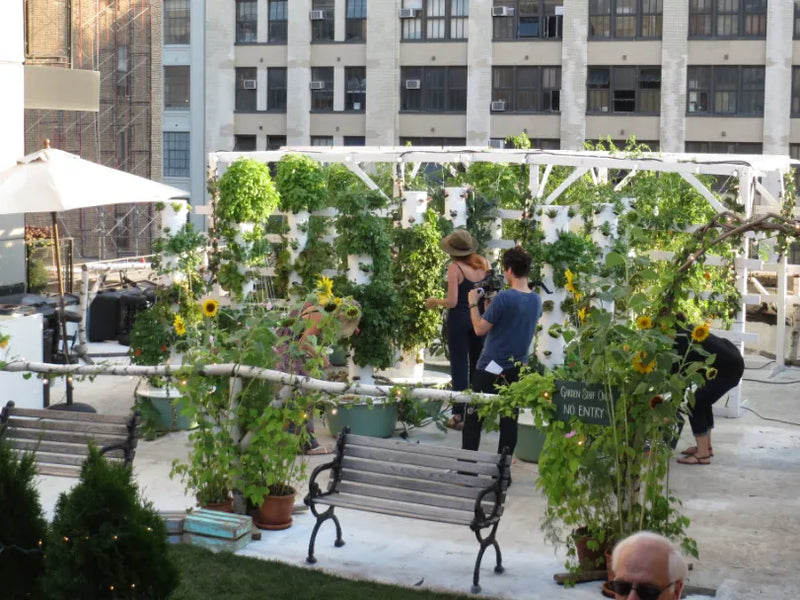
McKittrick Hotel rooftop farm, New YorkA Tower Farm is a commercial vertical farming system that uses aeroponic growing technology to produce fresh food without soil. By growing vertically, Tower Farms make it possible to grow more plants in less ground space while recirculating water and nutrients through the system.
From small community projects to larger commercial farms, Tower Farm systems can be designed around your available space, climate, crops, and production goals.
Living Towers, in partnership with Tower Farms®, can help with the planning, design, construction, and development of your Tower Farm.

Tower farming combines vertical growing with a recirculating aeroponic system, creating a flexible way to grow fresh produce in locations where conventional farming may be difficult or impractical.
Tower Farms can turn rooftops, patios, greenhouses, schools, restaurants, hotels, urban spaces and other unconventional locations into productive growing areas.
McKittrick Hotel rooftop farm, New York
Because plants grow vertically, a Tower Farm can increase the number of growing sites available within a limited footprint. That can be especially valuable where land is expensive or space is restricted.
Chicago O'Hare Airport, Illinois
The system continuously recirculates nutrient solution rather than watering a field or garden bed. This closed-loop approach can significantly reduce water use compared with many conventional growing methods.
Orange County Convention Center, Orlando, Florida
Leafy greens and herbs are especially well suited to Tower Farming, but growers can also produce many fruiting crops. Crop selection can be adjusted around your market, climate and growing goals.
Commercial seedling propagation
A Tower Farm doesn't have to begin as a huge operation. The modular design makes it possible to start with a smaller number of towers, develop your growing process, learn your market and expand as demand increases.
This can be particularly useful for new growers who want to test crops, customers and production methods before committing to a larger farm.

Tower Farms can be adapted to a variety of growing environments. Outdoor farms can take advantage of natural sunlight, while greenhouses provide greater protection and environmental control.
Indoor farms can offer even more control over lighting and growing conditions, although they require additional infrastructure and energy planning.
The right setup depends on your climate, location, crop selection, budget and production goals.

Commercial Tower Farm systems can centralize and automate parts of the watering and nutrient-delivery process, reducing the amount of repetitive hand watering required.
Growing without soil also eliminates digging and weeding and avoids many soil-borne problems. Growers still need to monitor plant health, water quality, nutrients, pests and environmental conditions, but the system can make many everyday growing tasks easier to manage.

Vertical farms can be located much closer to the people who will ultimately eat the food. Restaurants, resorts, schools, communities and urban farms can harvest produce close to where it will be served or sold.
Shorter distances between harvest and customer can mean exceptionally fresh greens, herbs and produce without relying on long-distance transportation.
Tower Farms can be designed for much more than traditional commercial agriculture.
Build a local produce business around greens, herbs and other high-value crops.
Combine food production with hands-on education in agriculture, science and sustainability.
Grow herbs, greens and specialty produce close to the kitchen for exceptionally fresh ingredients.
Create an on-site source of fresh produce while adding a highly visible sustainability feature.
Support local food production, education and community-based growing projects.
Use rooftops, greenhouses and other limited spaces to produce food closer to urban customers.

A Tower Farm can also become an educational resource, community project or visible demonstration of how food can be grown differently.
Schools can use the farm to connect students with plant science and food production. Restaurants and hospitality businesses can let customers see where some of their food is grown. Community organizations can use Tower Farms to improve access to locally grown produce.
A successful farm starts well before the first tower is planted. Your location, climate, market and crop plan all influence the system you need.
Determine who you're growing for, what you hope to produce and whether the farm will be commercial, educational, community-based or a combination.
Consider available space, sunlight or lighting, water, electricity, climate, drainage and whether the farm will be outdoors, indoors or in a greenhouse.
Plan the number and placement of towers along with propagation, nutrient delivery and other infrastructure needed for your operation.
Tower growing systems are being used in places that would never look like conventional farmland.

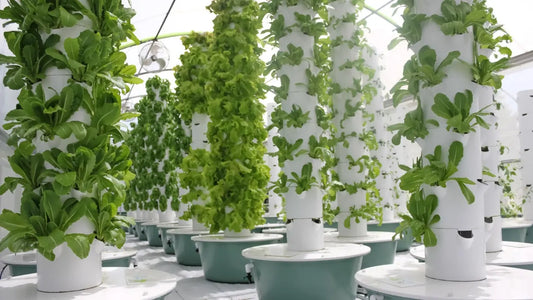
Vertical rows of towers allow commercial growers to make productive use of greenhouse and indoor growing space.
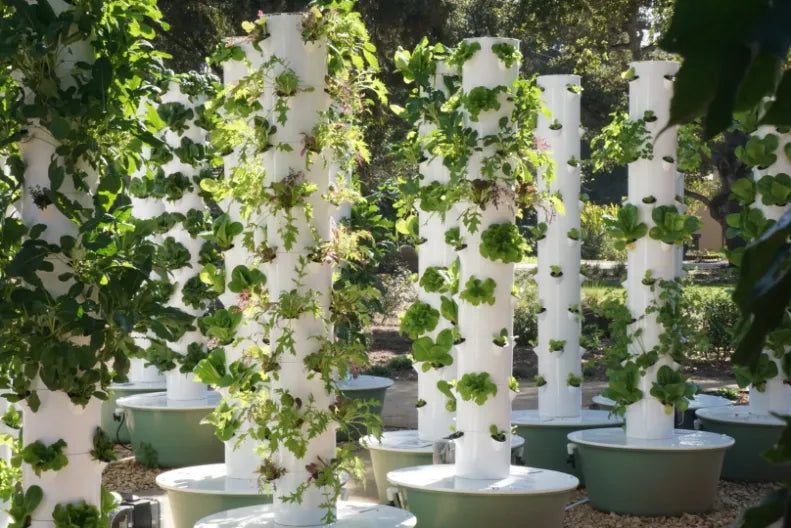
Tower Farms can provide both fresh food and a hands-on way to teach how plants, water, nutrients and food systems work together.
Every Tower Farm project is different. Living Towers can help you explore your options and determine what type of system makes sense for your location, growing goals and available space.
Contact Living Towers
Le Roots Urban Farm: Tampa’s Green Revolution in the Heart of the City Tucked away in the bustling heart of South Tampa, Le Roots Urban Farm is redefining what it...
Le Roots Urban Farm: Tampa’s Green Revolution in the Heart of the City Tucked away in the bustling heart of South Tampa, Le Roots Urban Farm is redefining what it...
Discover Emerge Gardens in Punta Gorda! Grow fresh, sustainable food with Tower Gardens. Learn, shop, & start your own farm anywhere.
Discover Emerge Gardens in Punta Gorda! Grow fresh, sustainable food with Tower Gardens. Learn, shop, & start your own farm anywhere.
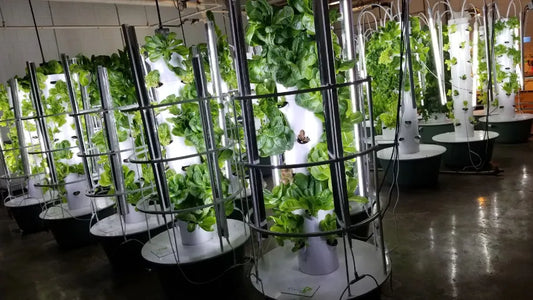
Students at Windom High grow fresh food in 30 hydroponic Tower Gardens, learning plant science while supplying the cafeteria with healthy greens!
Students at Windom High grow fresh food in 30 hydroponic Tower Gardens, learning plant science while supplying the cafeteria with healthy greens!
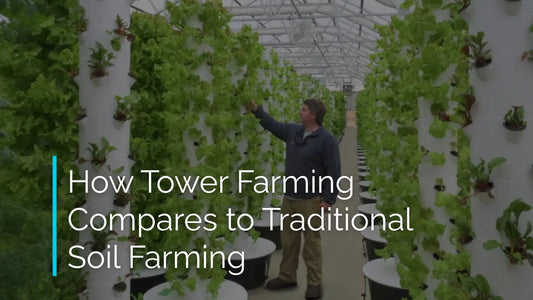
Discover the key differences between Tower Farming and traditional farming—from water use and space savings to yields and sustainability. Grow smarter, not harder!
Discover the key differences between Tower Farming and traditional farming—from water use and space savings to yields and sustainability. Grow smarter, not harder!
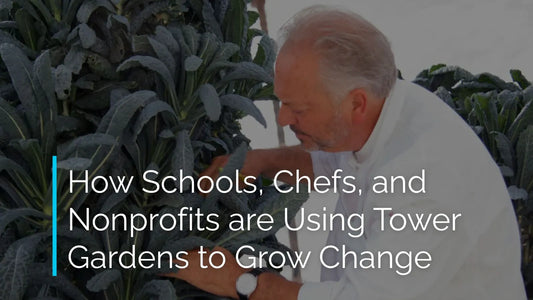
Discover how schools, chefs, and nonprofits are transforming lives with Tower Gardens through education, nutrition, and sustainable urban farming.
Discover how schools, chefs, and nonprofits are transforming lives with Tower Gardens through education, nutrition, and sustainable urban farming.

Discover how Tower Farming maximizes yield, slashes labor, and saves space—perfect for schools, communities, and commercial growers alike.
Discover how Tower Farming maximizes yield, slashes labor, and saves space—perfect for schools, communities, and commercial growers alike.

